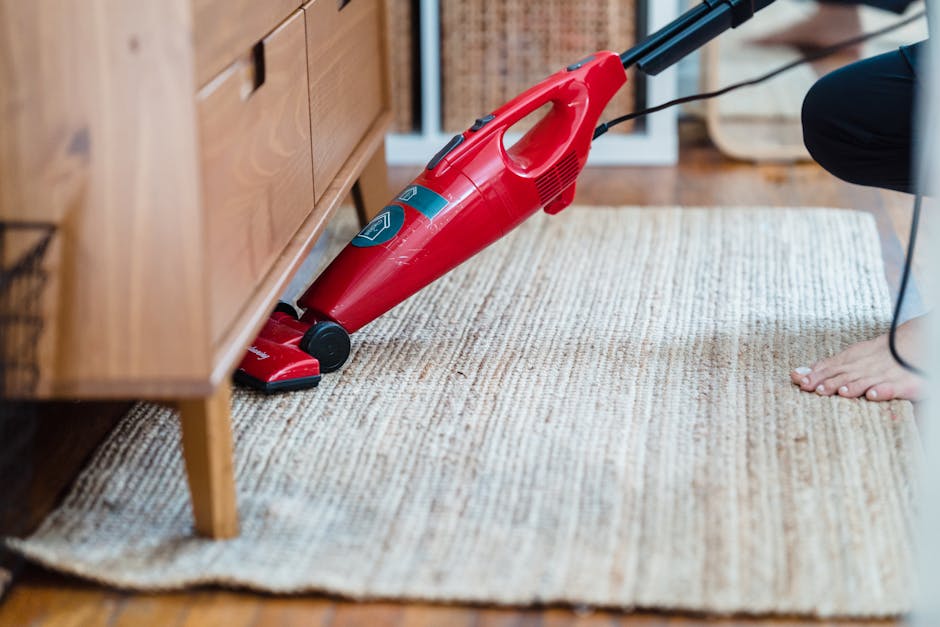
Emergency stain removal and carpet cleaning Greenwich Park area
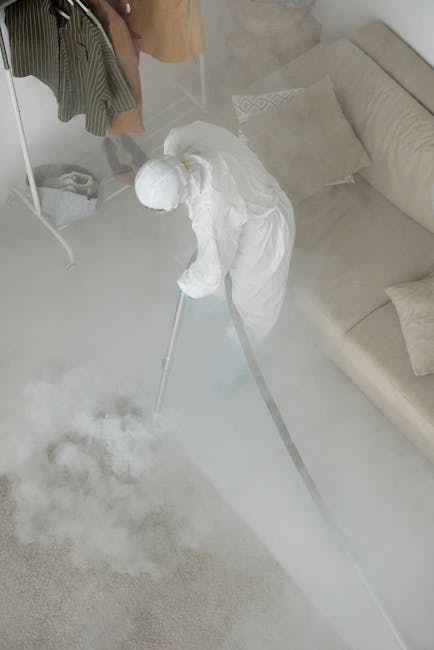
Spills happen at the worst possible moment. Red wine on a pale carpet, coffee under the dining table, muddy footprints after a wet walk through Greenwich Park, or a pet accident when you were literally just about to leave the house. If you need Emergency stain removal and carpet cleaning Greenwich Park area, the main goal is simple: stop the stain spreading, protect the fibres, and avoid making a quick fix into a permanent mark.
This guide walks you through what emergency carpet stain treatment actually involves, when DIY is sensible, when it isn't, and how professional cleaning can help restore the carpet properly. You'll also find practical steps, common mistakes, and a realistic checklist you can use straight away. Let's face it, when a fresh stain appears, nobody wants a lecture - you want the right next move.
- Why it matters
- How it works
- Key benefits
- Who this is for
- Step-by-step guidance
- Expert tips
- Common mistakes to avoid
- Tools, resources and recommendations
- Law, compliance and best practice
- Options and comparison table
- Case study example
- Practical checklist
- Conclusion
- Frequently asked questions
Why Emergency stain removal and carpet cleaning Greenwich Park area Matters
A fresh stain is usually more than a surface issue. Liquids soak into the pile, spread sideways through the backing, and can leave behind a mark that's bigger than what you first saw. In a busy home, that can mean a small accident becomes a stubborn patch, a lingering smell, or a fibre texture change that you notice every time the light hits the room.
In the Greenwich Park area, carpets often take a mix of everyday wear: school shoes, wet weather, pets, visitors, and the occasional party spill. That combination matters because different stains behave differently. Tea and coffee can leave tannin marks, food colouring can bind fast, greasy marks resist water-based cleaning, and pet accidents need both stain removal and odour control. If you only clean the visible spot, you may still be left with a shadow stain beneath the surface.
There's also the hidden risk of over-wetting. Too much water, or the wrong solution, can push staining deeper. On some carpets, you can even end up with a tide line around the treated area. That's a classic "I thought I fixed it" moment. Not ideal, to be fair.
For that reason, emergency stain response is really about timing and technique. The sooner you act, the better your chances of avoiding permanent discolouration. And if the stain is on a delicate carpet, a wool blend, a large fitted area, or anything you suspect may bleed colour, a careful approach is worth more than a rushed one.
If you want a broader look at the type of cleaning services available locally, our services overview is a useful place to start.
How Emergency stain removal and carpet cleaning Greenwich Park area Works
Emergency stain removal usually follows a simple principle: assess, absorb, treat, rinse, and dry. The details change depending on the stain and carpet type, but the logic stays the same.
1. Identify the stain and the carpet fibre
The first step is knowing what you're dealing with. Is it water-based, greasy, protein-based, or dye-based? Is the carpet synthetic, wool, or a mixed fibre? That matters because the safest cleaning method depends on both the stain and the material. A cleaning product that works on a synthetic hallway carpet may be too harsh for a wool carpet in a living room.
2. Remove excess material without spreading it
Solid spill? Lift it carefully. Liquid spill? Blot gently with a clean cloth or paper towel. Don't rub. Rubbing drives the stain down into the pile and frays the fibres. Think of it like coaxing the spill out, not fighting it.
3. Use the least aggressive treatment first
Professional carpet cleaning normally starts with the mildest effective option. That might be a neutral spotter, a controlled rinse, or a targeted pre-treatment. Stronger chemistry is used only when needed and only after checking the carpet's reaction. This is why professionals test in a discreet spot first. Sensible, boring, effective. The best kind of boring.
4. Extract, rinse, and neutralise where needed
Once the stain has been loosened, the area needs proper extraction. That removes residues that attract dirt later. If a cleaning agent is left behind, the stain may disappear briefly but return as a dull patch or re-soiling mark. A well-cleaned carpet should feel fresh, not sticky or crunchy.
5. Dry properly
Drying is part of the job, not an afterthought. Carpets that stay damp too long can develop odours or new marks along the edges. Good airflow, sensible ventilation, and controlled moisture all help prevent that. In a real home, you can usually smell when a carpet is drying well - clean and neutral, not musty.
If the incident happened outside normal hours and you need fast help, it may also be worth reading what to know about same-day cleaning in Greenwich SE10.
Key Benefits and Practical Advantages
When emergency stain removal is done properly, the benefits are immediate and practical. Some are obvious. Others only show up later, when the carpet still looks decent after the room has been used a few more times.
- Better stain recovery: Fresh marks are usually easier to remove before they set.
- Less damage to fibres: A careful process helps avoid abrasion, colour loss, or pile distortion.
- Reduced smell and residue: Especially important with food, drink, pet accidents, and moisture-based spills.
- Cleaner overall appearance: A treated patch should blend in rather than stand out like a repair job.
- Longer carpet life: Stains, if left too long, can weaken the look and feel of a carpet over time.
- Less stress for the household: No one likes staring at a stain all weekend. It hangs over the room, doesn't it?
There's also a wider property value angle. In rental homes, fitted carpets are often one of the first things a landlord or letting agent notices. For that reason, prompt treatment can be particularly useful before inspections or at the end of a tenancy. If you are managing a move, our end of tenancy cleaning service may also be relevant.
And if you simply want a deep refresh after dealing with a messy incident, a full clean can help remove the leftover dirt that spot cleaning may miss. A patch is one thing; the whole traffic lane is another. That's where proper carpet care starts to pay back.
Who This Is For and When It Makes Sense
This kind of service is for anyone dealing with a fresh stain that needs quick, careful attention. That includes homeowners, tenants, landlords, letting agents, office managers, and anyone who has a carpet and a real life. Which is most of us.
It makes particular sense if you are facing one of these situations:
- A drink spill happened on a light-coloured carpet.
- There's a pet accident and the smell is starting to linger.
- Mud has been tracked in after rain from Greenwich Park or a wet commute.
- A food stain has already started drying.
- You tried a shop-bought product and the mark now looks bigger.
- There's a patch of carpet that looks uneven after cleaning.
- You need the room back to normal quickly for guests, tenants, or work.
It also makes sense if the carpet is valuable, delicate, or part of a larger interior scheme. For example, a hallway runner beside a sofa may be easier to treat than a full wool carpet, but the risk of visible mismatch is higher if the wrong method is used. In those cases, careful professional judgement matters more than speed alone.
If the stain has reached upholstery as well as the carpet, it may be useful to look at upholstery cleaning in Greenwich. Spill patterns often travel farther than you first think.
Step-by-Step Guidance
If the stain is fresh and the material is fairly standard, here is the safest practical approach to follow before deciding whether to bring in a specialist.
- Act quickly. The longer a spill sits, the harder it becomes to remove.
- Blot, don't rub. Use a clean white cloth or absorbent towel and press gently.
- Lift solids first. Scrape carefully with a spoon or blunt edge if needed.
- Test any product discreetly. A tiny hidden patch can reveal colour change or fibre damage.
- Apply a small amount of suitable cleaner. Less is usually better. Really.
- Work from the outside in. This stops the stain spreading into a larger ring.
- Blot again to remove residue. Keep going until the cloth picks up little or no colour.
- Rinse lightly if appropriate. Avoid flooding the area.
- Dry with airflow. Use ventilation and keep foot traffic off the area where possible.
- Inspect once dry. Some marks fade as they dry, while others reappear. Annoying, but common.
A useful rule: if you are unsure what created the stain, avoid combining products. Mixing cleaners can make the problem worse, and in some cases can create a residue that is harder to remove later. If you're staring at the carpet wondering whether that is coffee, juice, or something from the dog, pause for a second. Better to pause than to pour.
Expert Tips for Better Results
Professionals do a few things consistently well, and these habits make a real difference.
Use controlled moisture. Over-wetting is one of the biggest reasons spot cleaning fails. A carpet can look clean while the backing stays damp and the mark resurfaces later.
Work with the fibre, not against it. Some carpets respond better to gentle agitation, others to careful extraction. Wool, in particular, deserves a cautious touch because it can felt or distort if treated too aggressively.
Think about the stain source. A food stain and a pet stain are not the same thing. A greasy mark may need a different pre-treatment from a tannin stain like tea or red wine. No surprise there, but people often treat everything the same and hope for the best.
Check surrounding areas. Stains often travel. Under furniture legs, along skirting, or around carpet seams, you may find secondary marking that needs attention too.
Plan for the room, not just the spot. In a hallway or living room, a single cleaned patch can look oddly bright if the surrounding area is heavily soiled. Sometimes a full carpet clean gives a more natural result than one isolated treatment.
If you want to understand how pricing can change depending on room size, stain severity, and carpet condition, have a look at this Greenwich carpet cleaning cost guide.
A small human note from the real world: the stains that look dramatic are not always the worst ones, and the quiet little marks near a doorway can be the most stubborn. Carpet cleaning has that habit of humbling people. A bit cheeky, that.
Common Mistakes to Avoid
The wrong first response can lock a stain in faster than you expect. Here are the mistakes we see most often.
- Rubbing the mark hard: This pushes the spill deeper and damages pile structure.
- Using too much water: It can spread staining and cause slow drying.
- Applying random household cleaners: Bleach, disinfectant, or strong detergents can cause colour loss.
- Skipping a patch test: This is how a small stain becomes a much larger repair issue.
- Scrubbing delicate fibres: Wool and some blends do not like rough handling.
- Leaving residue behind: Soap or powder left in the carpet can attract dirt.
- Waiting until the next day: Fresh spills are far easier to deal with.
One of the worst habits is covering the stain with more product every ten minutes because "it didn't work the first time." That usually creates a bigger patch, not a cleaner one. If the stain is still visible after a sensible first attempt, step back and reassess.
And if you've already created a halo or tide mark, don't panic. It can often still be improved with professional treatment.
Tools, Resources and Recommendations
You do not need a cupboard full of cleaning products to handle most emergencies. A small, sensible kit is better than a pile of half-used bottles.
| Useful item | Why it helps | Good for |
|---|---|---|
| Clean white cloths | Blotting without dye transfer | Most fresh spills |
| Paper towels | Quick absorption for liquid spillovers | Wine, coffee, water, juice |
| Blunt spoon or scraper | Lifting solids gently | Food and mud |
| Small spray bottle | Controlled application of solution | Targeted spot work |
| Fan or open-window airflow | Helps the carpet dry faster | All damp-treatments |
| Neutral carpet spotter | Designed for controlled stain treatment | General stain response |
For deeper cleaning, professional equipment matters because it can extract more residue than domestic methods. That is especially useful for carpets with a built-up traffic lane or old cleaning residue. A well-executed clean should not just move the stain around. It should reduce it, remove residue, and leave the pile looking consistent.
To compare the wider cleaning options available, you may also find the Greenwich carpet cleaning service page helpful when planning a larger job.
If your schedule is tight, same-day or urgent help may be the sensible route. If time is on your side, a planned clean can sometimes be more cost-efficient. Both approaches can work; the right one depends on urgency, stain type, and carpet condition.
Law, Compliance, Standards, or Best Practice
For domestic carpet cleaning, there usually isn't a complicated legal framework the way there might be in specialist industrial work. Even so, good practice matters, especially where chemicals, ventilation, slip risk, and property access are involved.
In the UK, responsible carpet cleaning providers generally follow sensible safety procedures, use products in line with manufacturer guidance, and handle client property with care. If cleaning is taking place in a rented property, it is also wise to think about tenancy expectations, check-in condition, and how any stain treatment might be documented before and after the work.
Best practice usually includes:
- spot testing before full treatment
- choosing the least aggressive method first
- keeping moisture under control
- ventilating rooms during and after cleaning
- protecting floors from slips while carpets dry
- being transparent about what can and cannot be fully removed
It is worth saying plainly: no honest cleaner should promise miracles on every stain. Some marks are old, heat-set, dyed into the fibre, or altered by previous DIY attempts. A trustworthy service will explain the likely outcome carefully rather than overselling.
If you want to understand how a company frames responsibility and service standards, the health and safety policy and insurance and safety information can help set expectations.
Options, Methods, or Comparison Table
There are usually three practical routes for dealing with a stain: do it yourself, use a targeted professional spot treatment, or book a full carpet clean. The best option depends on urgency and risk.
| Method | Best for | Strengths | Limitations |
|---|---|---|---|
| DIY blotting and spot treatment | Very fresh, simple spills | Fast, cheap, immediate | Higher risk of residue or damage if used incorrectly |
| Professional emergency stain removal | Stubborn fresh stains, delicate carpets, awkward spills | Better fibre knowledge, stronger extraction, safer process | May cost more than DIY and may need assessment first |
| Full carpet cleaning | Heavy wear, large stains, multiple marks, general refresh | More even finish, better overall appearance | Less targeted if only one small spot is the issue |
In practice, the most sensible answer is often a mix of methods. A single stain may be treated first, followed by a broader clean if the carpet has lost its overall brightness. That is especially true in rooms with strong daylight, where one repaired patch can stand out badly against the rest of the floor.
Case Study or Real-World Example
Here's a typical local scenario. A household near Greenwich Park has a pale lounge carpet. Someone brings in coffee after an early morning walk, sits down, and knocks the cup. The spill lands near the edge of a rug, then creeps into the carpet pile. A family member dabs at it with kitchen towel, adds a bit of detergent, and by the afternoon there's a faint ring around the original stain.
What usually happens next? If the area is left alone, the mark can become more obvious as it dries. The fibres may also look slightly flat where they were rubbed. A professional approach would start with identifying the residue already on the carpet, checking whether the detergent has left a sticky trace, then applying a controlled spot treatment and extraction to remove both the stain and the leftover cleaning product.
The useful lesson is simple: the first response matters as much as the final treatment. A small spill can be manageable. A well-meaning over-clean can turn it into a lingering patch. In the real world, that's how these jobs often unfold.
For households or landlords handling a broader reset of the property, pairing stain treatment with domestic cleaning in Greenwich or house cleaning support can make the whole place feel properly sorted again.
Practical Checklist
Use this checklist when a stain happens. Keep it calm. Keep it simple.
- Identify the spill type if possible.
- Stop foot traffic over the area.
- Blot gently with a clean cloth.
- Lift solids before adding liquid.
- Test any treatment on a hidden area.
- Use only a small amount of product.
- Work from the outside of the stain inward.
- Avoid scrubbing or soaking the carpet.
- Rinse or extract residue where appropriate.
- Dry the area thoroughly with airflow.
- Check for a ring, shadow, or odour after drying.
- Escalate to professional help if the stain remains or the carpet is delicate.
Expert summary: Fast action, gentle technique, and controlled drying solve more carpet emergencies than aggressive cleaning ever will. If you remember just one thing, remember this: blot first, panic later. Actually, don't panic at all if you can help it.
Conclusion
Emergency stain removal is really about preserving options. The quicker and more carefully you act, the more likely the carpet can be restored without heavy damage or obvious repair marks. In the Greenwich Park area, where homes are lived in properly and carpets often see a fair amount of daily traffic, that practical approach makes a real difference.
If the spill is fresh and minor, a careful DIY response may be enough. If the stain is spreading, old, oily, protein-based, or on a delicate carpet, professional treatment is usually the safer route. Either way, the goal is the same: protect the carpet, keep the room feeling clean, and avoid turning a small accident into a long-term nuisance.
When you need reassurance, sensible advice, and a proper clean rather than a quick cosmetic fix, choosing the right help matters. And honestly, once the stain is gone and the room smells clean again, it feels like you can breathe a bit easier.
Get a free quote today and see how much you can save.
Frequently Asked Questions
What should I do first after a carpet spill in Greenwich Park?
Start by blotting the spill gently with a clean white cloth or paper towel. Avoid rubbing, because that pushes the stain deeper into the pile. If there are solids, lift them first. Then assess whether the spill is likely water-based, greasy, or something more stubborn before using any product.
Can I use washing-up liquid on a carpet stain?
Sometimes a very small amount can help, but it is not always the best choice. Many washing-up liquids leave residue if overused, and residue can attract more dirt later. If you do use anything like that, test carefully and use far less than you think you need.
How quickly should I treat a fresh stain?
As soon as possible. Fresh stains are usually much easier to remove than dried ones. Once a spill has time to soak into the backing or dry into the fibres, the odds of a full removal drop. Speed really does help here.
Are pet stains different from food or drink stains?
Yes. Pet accidents often need stain treatment plus odour removal, and sometimes the smell lingers even if the mark looks lighter. Urine can also spread beneath the surface, so the visible spot may be smaller than the actual affected area.
Will professional cleaning remove every stain?
Not always, and a trustworthy cleaner should say so clearly. Some stains are old, heat-set, dyed, or altered by previous DIY attempts. Professional cleaning can often improve them a great deal, but no honest provider should guarantee complete removal in every case.
Is emergency stain removal safe for wool carpets?
It can be, but wool needs a gentler approach than many synthetic carpets. Too much moisture, harsh chemicals, or heavy scrubbing can damage the fibre. A cautious, tested method is usually the safer choice.
What causes a stain to come back after cleaning?
This often happens when residue remains in the carpet or moisture wicks up from underneath as the carpet dries. The stain may look gone at first, then reappear as a shadow or ring. Proper extraction and drying reduce that risk.
Do I need a full carpet clean after one spill?
Not always. If the carpet is otherwise clean and the stain is small, targeted treatment may be enough. But if the surrounding area is already worn or dirty, a full clean can produce a more even result and avoid a bright patch in one spot.
Can I walk on the carpet after spot cleaning?
It is better to avoid walking on it until it is dry. Foot traffic can grind dirt into damp fibres and distort the cleaned area. If you must cross it, use clean socks or a protective cover, but that is still a compromise.
How do I know if the stain has gone properly?
Check it once the area is fully dry, ideally in natural daylight and from a few angles. Some stains look lighter when wet and then return later. Also check for smell, residue, or a visible ring around the original mark.
What should I avoid if I'm tempted to clean it myself?
Avoid rubbing hard, soaking the area, mixing cleaning products, and using bleach or strong household chemicals without testing. Those are the mistakes that usually turn a manageable spill into a bigger issue.
Can carpet stain removal help before a tenancy inspection?
Yes, very often. If you're moving out, prompt stain treatment can improve the appearance of the carpet before check-out or inspection. In some cases, combining it with a broader clean is the tidiest option.
If you want to explore service information, booking guidance, or company standards before making a decision, you may also find the about us and pricing and quotes pages useful.