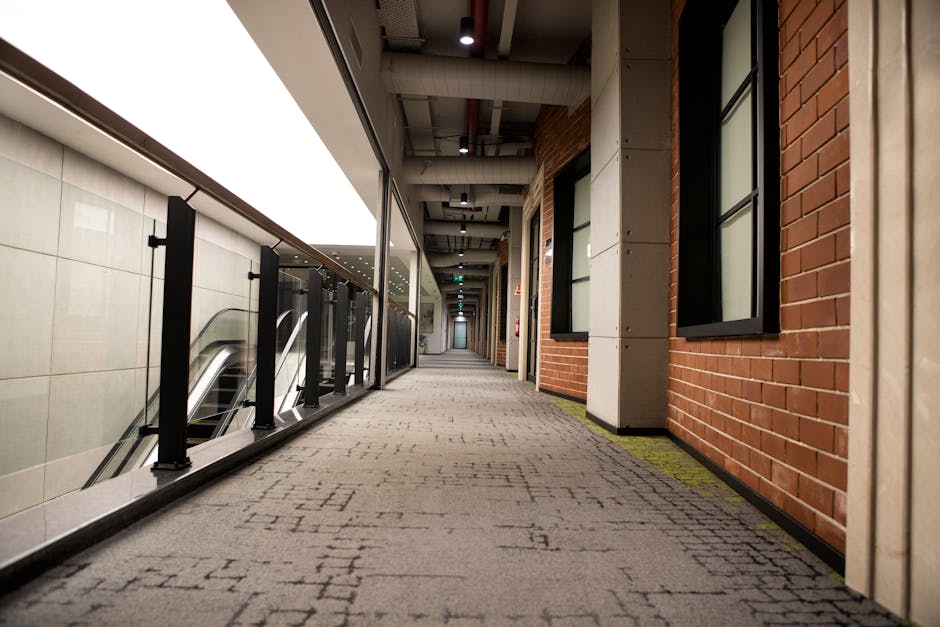
Business carpet cleaning for Greenwich shops offices and pubs
If you run a shop, office, or pub in Greenwich, your carpets work harder than most people realise. They catch mud from the pavement, coffee spills, foot traffic, rainwater, crumbs, and the general wear that comes with a busy day. Business carpet cleaning for Greenwich shops offices and pubs is not just about making floors look nicer; it is about keeping a place presentable, comfortable, and easier to manage day after day.
In a customer-facing business, the floor often says more than the signage. A clean carpet can make a lobby feel calmer, a shop feel more inviting, and a pub feel that bit more cared for. Below, you will find a practical guide to how commercial carpet cleaning works, when it makes sense, what to avoid, and how to judge the right level of service for your premises.
Table of Contents
- Why it matters
- How it works
- Key benefits
- Who needs this
- Step-by-step guidance
- Expert tips
- Common mistakes
- Tools, resources and recommendations
- Law, compliance, standards, or best practice
- Options and comparison table
- Case study or real-world example
- Practical checklist
- Conclusion
- Frequently asked questions
Why Business carpet cleaning for Greenwich shops offices and pubs Matters
Commercial carpets take a battering in ways that domestic carpets usually do not. A shop floor sees repeated passes from customers in all sorts of weather. Office carpets pick up chair movement, dust, printer debris, and the odd spill from a rushed lunch. Pubs are a different world again: drinks, grit, food, tracked-in moisture, and long opening hours can all leave fibres looking tired very quickly.
In Greenwich, that matters even more because many businesses depend on walk-in confidence. You know the feeling yourself: you step inside somewhere and notice the floor before you notice anything else. If the carpet looks dull or smells a bit stale, it subtly changes how people judge the whole place. Not fair, perhaps, but true.
There is also a practical side. Dirt trapped in carpet fibres can act like sandpaper under footfall, gradually breaking down the pile. Regular professional cleaning helps slow that wear. It can also reduce lingering odours and make routine cleaning easier for your own team. A quick vacuum only goes so far, let's face it.
Practical takeaway: commercial carpet care is not a vanity service. For many Greenwich businesses, it is part of presentation, hygiene, and asset protection all at once.
If you already rely on broader support such as commercial cleaning or scheduled regular cleaning, carpet maintenance should sit alongside that plan rather than being treated as an occasional rescue job.
How Business carpet cleaning for Greenwich shops offices and pubs Works
Commercial carpet cleaning is usually a process rather than a single action. The cleaner looks at the carpet type, the amount of traffic, the stain history, and the drying window available. That last part is especially important in shops and pubs, where a wet floor at the wrong moment can create disruption and safety issues.
The exact method depends on the fibre and the condition, but the work often begins with inspection, vacuuming, spot treatment, and agitation of embedded soil. From there, the cleaning stage may involve steam carpet cleaning for deep soil removal, or a lower-moisture approach where quicker drying is a priority. In some settings, a targeted stain removal treatment is used for specific marks before the main clean.
Pub carpets can be the trickiest because they often carry a mix of food marks, drink spills, and grease-like residue from foot traffic and bar activity. Office carpets tend to need a different balance: thorough cleaning, but with minimal interruption to staff and equipment. In retail spaces, the best outcome is usually a clean that looks fresh on opening day and does not leave the place smelling damp by mid-morning.
A reputable provider should also talk you through drying time, access requirements, and how long the area will be out of use. That kind of conversation is a good sign. It means they are thinking like someone who understands business premises, not just carpets.
When the cleaning also needs to cover nearby furnishings, it can make sense to coordinate with upholstery cleaning or even office cleaning so the whole space is refreshed in one visit. Much easier on everyone.
Key Benefits and Practical Advantages
The obvious benefit is appearance, but there is more to it than that.
- Better first impressions: clean carpets help make a shop, office reception, or pub entrance feel cared for.
- Improved comfort: a fresher floor can make the whole room feel lighter, less stuffy, and more pleasant to spend time in.
- Reduced odours: this is especially useful in pubs, where fibres can hold onto smells if they are not cleaned properly.
- Longer carpet life: removed grit and embedded dirt mean less friction and less wear.
- Better housekeeping: regular deep cleaning makes vacuuming and spot removal more effective between visits.
- Safer environment: some stains and sticky residues can create slip risks or just make a floor feel neglected.
There is also a commercial benefit that is easy to underestimate: consistent cleaning protects the overall standard of the premises. A tidy reception and a clean carpet in the right place can support staff morale too. People do notice. Maybe not in a dramatic way, but they notice.
For premises that have mixed flooring, you might combine carpet care with hard floor cleaning to keep the whole front-of-house consistent. That is often a smarter spend than focusing on only one surface and ignoring the rest.
Who This Is For and When It Makes Sense
Not every business needs the same level of carpet care. A small studio office with limited footfall may only need periodic deep cleaning. A busy Greenwich shop near high-traffic routes will likely need more frequent attention. And a pub? Truth be told, pubs often need the most careful scheduling because the space has to be ready for customers again quickly.
This service makes sense if you are responsible for:
- retail shops with customer walk-ins
- offices with shared corridors, meeting rooms, or reception areas
- pubs, bars, and hospitality spaces with public seating or carpeted sections
- managed premises where presentation matters to visitors, clients, or tenants
- businesses trying to reduce replacement costs on worn carpet
It is especially relevant if you are dealing with recurring marks in the same spots, such as entrances, till areas, reception walkways, or areas around tables. Those are the places where soil builds up first. Every time, same story.
If your site is part of a wider managed building, you may also want to look at communal area cleaning so shared entrances and corridors do not undermine the work done inside the business itself.
Step-by-Step Guidance
Here is the simplest way to think about a proper commercial carpet cleaning visit.
- Assess the area. The cleaner identifies carpet type, stain level, access issues, and dry-time constraints.
- Prepare the space. Loose items are moved, fragile equipment is protected, and the route in and out is agreed.
- Vacuum thoroughly. This removes loose grit, dust, and surface debris before deeper treatment begins.
- Pre-treat problem areas. High-traffic lanes, spill marks, and obvious stains are treated first.
- Clean the carpet. A suitable method is used, often involving steam or low-moisture extraction depending on the setting.
- Inspect and tidy edges. Corners and edges are checked, because that is where dirt likes to hide.
- Dry properly. Airflow, ventilation, and sensible return-to-use timing matter more than people expect.
- Final check. The area is reviewed for residue, missed spots, or extra attention needs.
In a pub or shop, the final step is not just about looks. It is about making sure the floor is ready for real use, not simply "clean in theory." That distinction matters when people are walking in with wet shoes and no patience for delays.
If the same site also needs floor-to-ceiling freshness, some businesses combine carpet work with deep cleaning so the result feels more complete. That can be a sensible move before a rebrand, seasonal reset, or busy trading period.
Expert Tips for Better Results
These are the details that often make the difference between a decent clean and a genuinely useful one.
- Book before visible dirt becomes a habit. Once a traffic lane has gone grey and flattened, it takes more effort to restore.
- Be honest about stains. Coffee, wine, grease, gum, and old residue all behave differently. Say what happened and when.
- Protect drying time. If possible, clean after closing or during quieter trading windows. Early mornings can work well.
- Test first on delicate fibres. A good cleaner will check an inconspicuous patch before treating the full area.
- Ask about moisture control. Too much water can slow drying and leave a bad smell. Nobody wants that on day one.
- Plan around the wider space. If sofas, curtains, or waiting-area seating are also tired, consider sequencing the work sensibly.
One small but useful habit: keep a note of what stains keep returning and where. It sounds a bit nerdy, perhaps, but it helps you spot the cause. A leaking plant pot, a doorway without enough matting, or a server route that always cuts the same corner can explain a lot.
You may also want to pair carpet care with pet stain odour removal only if your premises genuinely need it, for example in pet-friendly hospitality or mixed-use spaces. No need to overspec the job if the issue is straightforward. Keep it sensible.
Common Mistakes to Avoid
Commercial carpet cleaning goes wrong most often when people try to make it look simpler than it is. That is usually where the mess starts.
- Waiting too long between cleans. Deep soil builds up and becomes harder to shift.
- Using household products on commercial stains. Some leave residue or spread the mark further.
- Ignoring drying time. Reopening too soon can damage the result and create safety risks.
- Choosing the wrong method for the fibre. Not every carpet wants the same treatment.
- Focusing only on visible spots. Traffic lanes and edges can stay dull even if the centre looks fine.
- Skipping pre-vacuuming. It seems minor, but it makes a noticeable difference to the final finish.
Another common mistake is assuming a carpet is beyond help after a few bad years. Sometimes it is, but often it is just heavily neglected. The difference is worth checking before you spend money replacing it. You might be surprised, honestly.
Tools, Resources and Recommendations
You do not need to buy equipment to make good decisions, but it helps to know what a cleaner may use and why it matters.
| Method or tool | Best for | What to watch for |
|---|---|---|
| Commercial vacuuming | Removing loose grit and dry soil before deeper work | Needs thorough coverage of edges and corners |
| Pre-treatment solution | Breakdown of marks and heavier traffic-lane dirt | Should suit the carpet fibre and stain type |
| Steam extraction | Deep cleaning where a fuller refresh is needed | Drying time and ventilation must be managed properly |
| Low-moisture method | Busy premises needing quicker turnaround | May be preferable in some offices and retail spaces |
| Spot treatment tools | Targeting specific stains without over-wetting the area | Best used after identifying the stain correctly |
If your business operates in a mixed-material setting, it can help to look at other relevant services too, such as rug cleaning for reception rugs or sofa cleaning for customer seating. Sometimes the room needs a full reset, not a half fix.
For business owners who value supplier reassurance, pages like insurance and safety, health and safety policy, and pricing and quotes can help you understand how a provider approaches practical delivery and customer trust.
Law, Compliance, Standards, or Best Practice
For most businesses, carpet cleaning sits within broader workplace housekeeping and safety responsibilities rather than being a highly regulated specialist activity. That said, sensible best practice matters. Premises should be kept reasonably clean, safe, and fit for use, and cleaning work should be managed so that staff and visitors are not exposed to avoidable slip hazards, blocked access routes, or chemical misuse.
In real terms, that means a few things:
- clear communication about access and reopening times
- careful use of cleaning agents and correct dilution
- attention to drying and slip prevention
- thoughtful scheduling around trading hours
- appropriate handling of waste water and disposal materials
For pubs in particular, it is wise to keep a close eye on customer flow and any flooring that may become temporarily damp. For offices, the issue is often less dramatic but still important: cables, chair legs, and busy walkways do not mix well with incomplete drying.
Best practice also includes transparency. A cleaning provider should be able to explain what was done, what areas were treated, and if any marks were likely to remain because of age or fibre damage. That kind of honesty is worth a lot. It saves awkwardness later.
Where environmental care is part of your business values, you may also appreciate a provider's approach to recycling and sustainability. Not every cleaning job is a grand environmental statement, of course, but waste-conscious habits still matter.
Options, Methods, or Comparison Table
Choosing the right approach depends on the business type, the condition of the carpet, and the time available before reopening. Here is a simple comparison.
| Method | Strengths | Trade-offs | Best fit |
|---|---|---|---|
| Steam carpet cleaning | Deep refresh, strong soil removal, good for heavily used carpets | Can need longer drying time | Shops and pubs with heavier wear |
| Low-moisture cleaning | Faster return to use, useful for busy workplaces | May not suit every stain or carpet type | Offices and time-sensitive retail spaces |
| Targeted stain treatment | Focuses on problem spots, less disruption overall | Won't fully refresh a very dirty carpet | Maintenance visits between deeper cleans |
| Full commercial carpet clean | Balanced approach for broader upkeep | Needs more planning and access | Most Greenwich business premises |
If your premises have had refurbishment work, it may also be worth considering after builders cleaning before carpet work, because dust and debris from building jobs can quickly undo a fresh clean. It is one of those annoying little things that makes a big difference.
Case Study or Real-World Example
Picture a busy Greenwich pub with carpeted seating zones near the front and a short walkway to the toilets. By Friday evening, the carpet already shows the week's footprint in a darker path. There is a faint smell of spilled drinks and damp coats. Nothing dramatic, just enough to make the place feel a bit tired.
The manager books a clean for the quietest window available, after closing and before the weekend rush. First comes a check of the worst areas: the entrance track, the bar-side spill zone, and the corridor near the toilets. Those are pre-treated carefully, then the full carpet is cleaned using a method matched to the floor's condition. The room is aired properly overnight. By opening time the next day, the place feels brighter. Not brand-new, because reality does not work like a miracle commercial, but clearly fresher and more welcoming.
The real win? Staff find the carpet easier to maintain during the next few weeks. The regular vacuum picks up less embedded dirt, and the entrance no longer looks grubby by midweek. That is the sort of improvement that just quietly makes life easier.
A similar pattern applies to small offices. In one meeting room, a cleaned carpet can change the feel of the whole room, especially if you also freshen nearby fabric surfaces with curtain cleaning or targeted window cleaning. Light in, dust out. Simple idea, better result.
Practical Checklist
Use this checklist before you book or schedule your next commercial carpet clean.
- Identify the busiest traffic lanes and the worst stain areas.
- Decide when the space can be out of use, even briefly.
- Check whether nearby furniture, rugs, or seating should be included.
- Ask how long drying is likely to take.
- Confirm whether steam or low-moisture cleaning is the better fit.
- Make sure staff know what areas to avoid after treatment.
- Note any recurring marks so the cause can be addressed, not just the symptom.
- Keep a record of the cleaning date for future planning.
And one more, slightly old-school but useful: walk the floor in normal daylight if you can. Artificial light can flatter or hide things. Morning light tends to tell the truth.
Get a free quote today and see how much you can save.
Conclusion
Business carpet cleaning for Greenwich shops offices and pubs is really about keeping the everyday experience of your premises strong. Clean carpets do not shout for attention, and that is the point. They quietly support presentation, comfort, and trust. They help a shop feel ready for customers, an office feel calmer, and a pub feel looked after rather than merely used.
If you plan it well, carpet care becomes one of those sensible business habits that pays you back in small but steady ways. Better first impressions. Less grime build-up. A space that feels easier to run. Nothing flashy, just proper care done at the right time.
And to be fair, there is a certain satisfaction in seeing a tired floor come back to life. Little things, but they matter.
Frequently Asked Questions
How often should a Greenwich shop or office book carpet cleaning?
It depends on footfall, the type of business, and how quickly the carpet starts to show wear. Busy shops and pubs usually need more frequent deep cleaning than low-traffic offices. A good starting point is to review the floor quarterly and adjust from there.
Is steam carpet cleaning safe for commercial premises?
It can be, when the carpet type and drying time are considered properly. Steam carpet cleaning is often a strong choice for deep soil removal, but a suitable method should always be chosen based on the actual floor, not just the label.
Will the carpet be too wet to use the same day?
Not always, but drying time varies. Some methods leave carpets ready sooner than others, and ventilation makes a big difference. If your business needs a quick turnaround, raise that at the start so the cleaner can plan around it.
What is the best carpet cleaning method for pubs?
Pubs often need a method that deals well with drink spills, foot traffic, and odours. The best option depends on the carpet fibre and how much time you have before reopening. In many cases, a deeper clean with careful drying works best.
Can carpet cleaning remove old stains completely?
Sometimes yes, sometimes no. Fresh stains are easier to remove than old ones that have set into the fibres. A professional cleaner can usually improve the appearance significantly, but no one should promise miracles on a carpet that has had years of wear.
Do office carpets need different care from shop carpets?
Usually, yes. Offices often have chair tracks, dust, and lighter spills, while shops see more foot traffic and weather-related dirt. The right method depends on the movement pattern and how quickly the area needs to be back in use.
Should I move furniture before the clean?
Small movable items are often best cleared in advance, but larger furniture may be handled differently depending on the service agreement. It is sensible to ask in advance rather than assume. A five-minute conversation saves a lot of fuss later.
What if my carpet smells musty after cleaning?
That usually points to incomplete drying or too much moisture being used. Good airflow and the right method matter a lot. If the smell lingers, it is worth checking whether the carpet or underlay has an underlying issue.
Can carpet cleaning be combined with other services?
Yes, often it can. Many businesses pair carpet work with services such as office cleaning, hard floor cleaning, or upholstery cleaning to refresh the whole customer area in one visit.
How do I know whether a commercial cleaner is properly prepared?
Look for clear communication about the process, expected drying time, access needs, and safety. A provider that is comfortable discussing practical details is usually more reliable than one that only talks in vague terms.
Is commercial carpet cleaning worth it for a small business?
Very often, yes. Even small shops and compact offices benefit from a fresher, cleaner feel, and regular maintenance can help delay replacement. For a small business, that can be a sensible way to protect a limited budget.
Where should I start if my carpets are in rough shape?
Start with a realistic assessment of the condition, the main stains, and how much downtime you can allow. From there, you can choose the right level of service and decide whether a full clean, spot treatment, or staged approach makes the most sense.
If you are ready to refresh your premises, the next step is simple: choose the right timing, ask the right questions, and get the carpets back to doing their job without getting in the way. That is usually where a good result starts.